

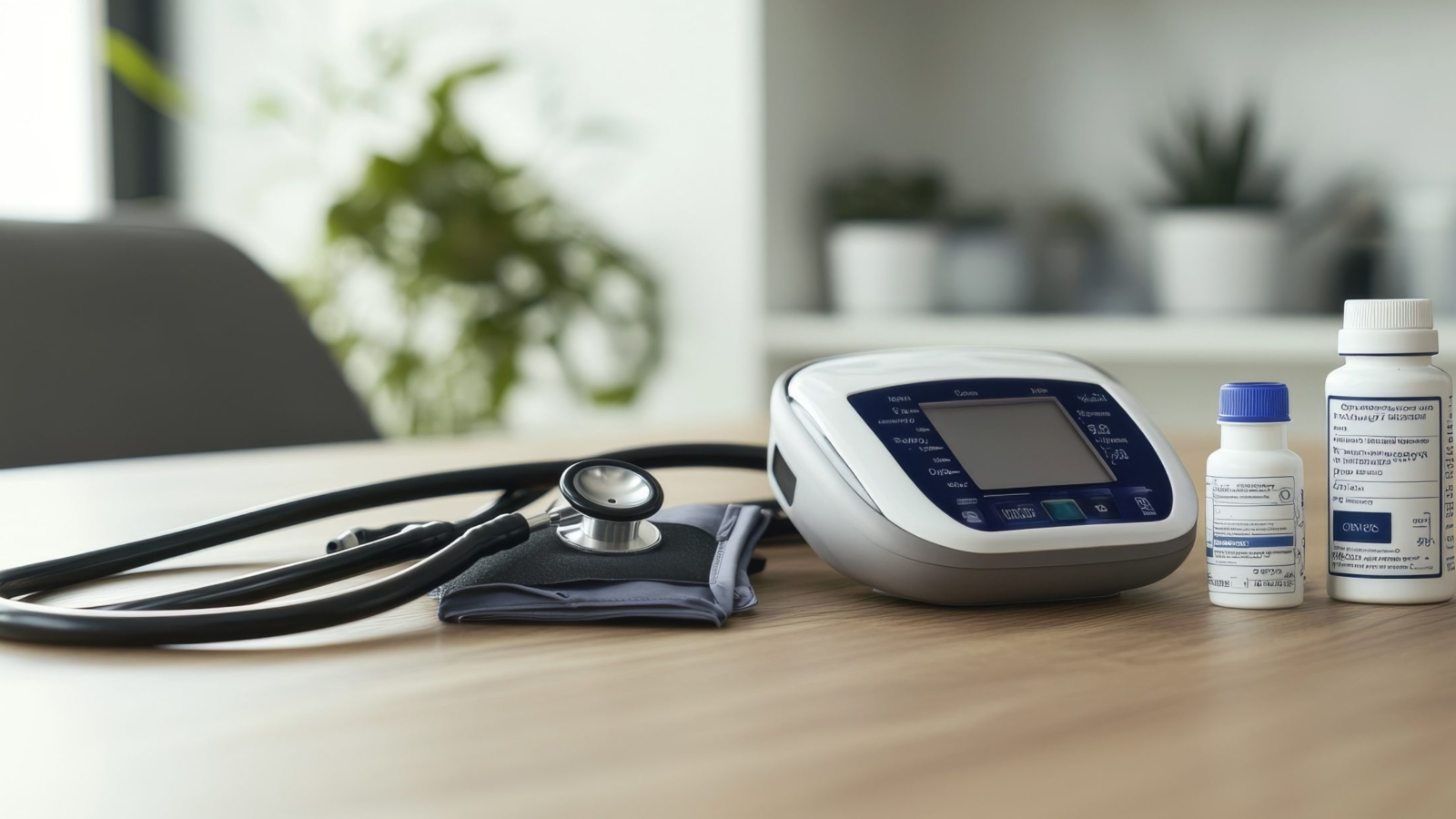
Monitoring blood pressure (BP) at home is one of the simplest, yet most effective, steps older adults and their caregivers can take to protect health. Many age-related issues — including dizziness, falls, or sudden illness — can be linked to changes in blood pressure. Having a reliable monitor at home provides valuable insights, supports safer medication adjustments, and helps doctors act faster with the right information.
Why Home BP Monitoring Matters
Home checks can detect drops in blood pressure when standing, a common cause of dizziness and falls. They can also signal possible serious illness if readings are very different from usual. Most importantly, they allow families and doctors to track responses after medication changes, making it easier to adjust treatment safely. A home monitor doesn’t mean checking every day forever. In most cases, occasional checks or short periods of daily monitoring — such as after a medication change — are enough.
How to Choose the Right BP Monitor
Accuracy First: Select an automatic digital monitor, preferably one with an upper-arm cuff. These are more accurate than wrist or finger models. Look for devices recommended by reputable reviews and confirm accuracy by bringing it to the doctor’s office.
Proper Cuff Size: Measure around the bicep to ensure the cuff fits correctly. A cuff that’s too small gives falsely high readings, while one that’s too large gives falsely low readings.
Easy Tracking and Sharing: Many devices store results, but it helps to log them on paper or digitally for doctors. Bluetooth-enabled monitors that connect to smartphones or computers can make sharing easier.
Ask the Doctor: Some clinics may recommend specific brands. Omron models, such as the Silver or Gold BP monitors, are widely trusted for reliability and user-friendly design.
How to Use a Home BP Monitor
Proper Technique: Sit comfortably, keep the arm with the cuff at heart level, and relax. Avoid talking or moving during the reading.
When to Check: Consider measuring about an hour after taking blood pressure medication, especially if dizziness or balance issues are a concern. Record whether the reading was taken sitting or standing.
How Often to Check: After a medication change, daily checks for a week are helpful. For stable health, once a week is often enough. Consistency is more important than frequency.
Key Questions to Ask the Doctor
-
How often should blood pressure be checked at home?
-
What time of day is best for readings?
-
Should we check both sitting and standing due to dizziness or falls?
-
Is daily monitoring necessary, or would weekly checks be sufficient?
Key Takeaways
A home BP monitor is an essential tool for older adults and their caregivers. Choose a reliable digital upper-arm device with the right cuff size, confirm its accuracy at the doctor’s office, and log readings in a way that is easy to share. Follow simple techniques for consistent results and involve the doctor in creating a plan that fits the person’s health needs.