

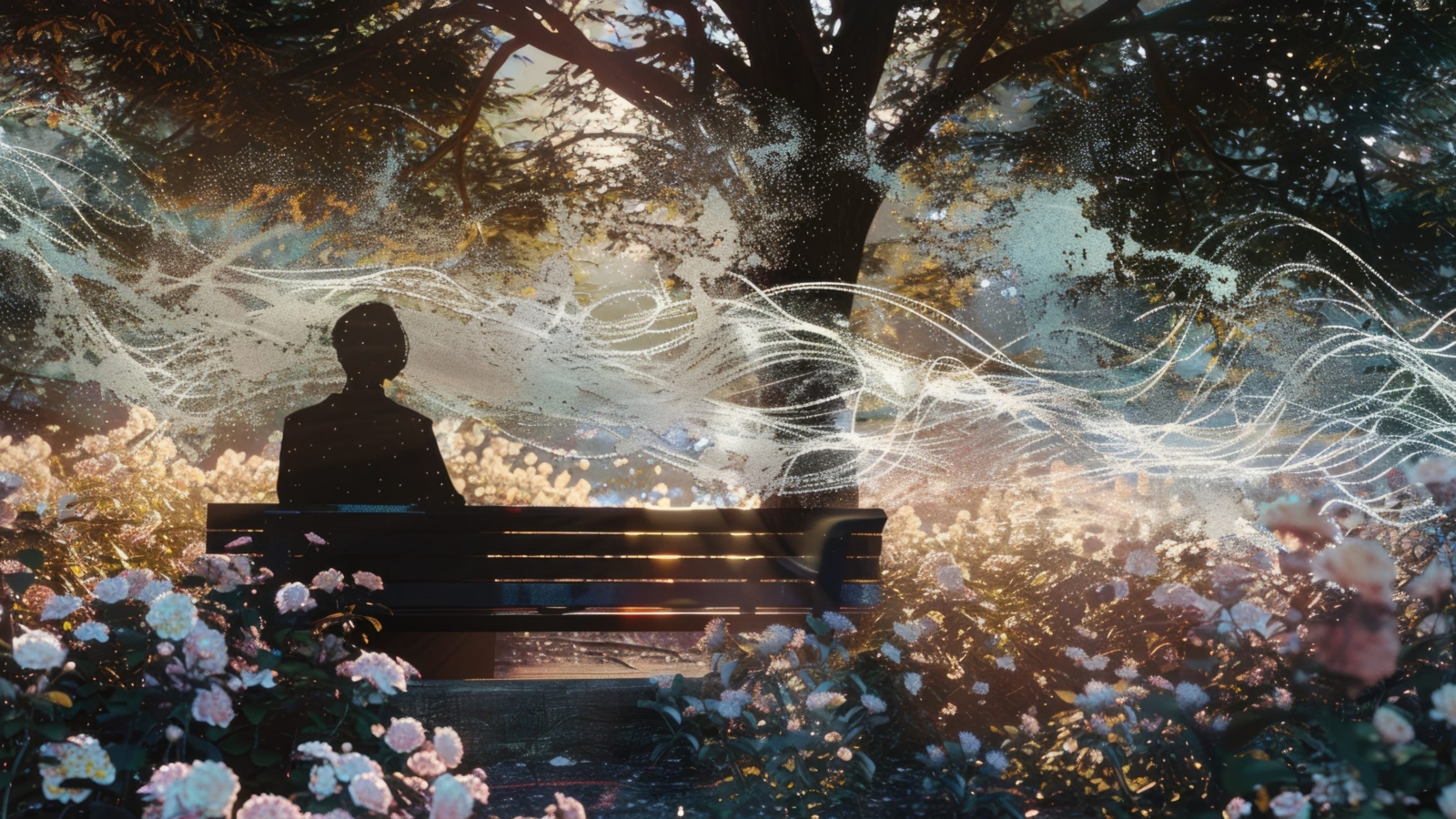
Thoughts of death and dying have been on my mind lately. Don’t worry—I am perfectly well. It’s just that over the past two months, I have attended five wakes and funeral services. A record for me personally, but perhaps inevitable given my age and the circle of friends and community I am actively involved in. Most of us are in our 70s and 80s. While we hope for many more active years ahead, not everyone is granted that time. Friends and family members will leave us, one by one, as life unfolds. Death is part of life.
With the recent observance of Qing Ming, the transient nature of life becomes even more evident. For those unfamiliar, Qing Ming is the time when Chinese families visit the graves or columbarium niches of their ancestors, offering prayers and food as a sign of filial respect. It is a moment to remember and honor those who came before us, a reminder of the cycles of life and the inevitability of our own mortality.
The Ultimate Leveller
Death does not discriminate. It can strike anyone, anytime—young or old, healthy or infirm, rich or poor. It is life’s ultimate equalizer. Yet, despite its universality, we know so little about how to approach it with grace and dignity. Numerous books guide us on how to live well, but few explore how to die well. Can the art of dying be learned? Can it be embraced rather than feared? Is it possible to depart this world with relief, peace, and even joy, rather than pain and anxiety?
These questions often remain unanswered. For those approaching life’s final chapter, it is wise to reflect and prepare—not out of fear, but to ensure peace of mind. This includes making one’s affairs clear: drafting a will, planning the disposition of possessions, and deciding on the wake and funeral arrangements. Choosing which photographs to display, what music to play, and where one’s final resting place will be should not be left entirely to family. These decisions, made while still of sound mind, can ease the burden on loved ones and ensure one’s wishes are honored.
Death remains a taboo topic for many, but a quiet shift toward acceptance is underway. Planning our farewell allows us to face mortality with intention, dignity, and even serenity.
The Perfect Goodbye
I recall a dear friend’s mother who experienced what I would call “the perfect final goodbye.” At her grandson’s wedding, she was radiant—laughing, chatting, and clearly delighted to have all her loved ones around her. That very night, she passed away peacefully at the age of 87. A celebration of life, filled with joy and love, became her final memory for those left behind.
Not everyone is so fortunate. I have witnessed others in intense suffering, bodies ravaged by terminal illness, struggling for every breath. The agony leaves a lasting impression, reminding us how crucial it is to ensure quality of life in our final days. For those who are suffering, death can be a release, a mercy, a return to peace. For the living, decisions around end-of-life care—like Do Not Resuscitate (DNR) orders—should be made in advance, to honor the wishes of our loved ones while easing their burden.
Life is precious, and the desire to cling to it is natural. Yet we must ask ourselves: does endless treatment and life sustained solely by machines constitute true living?
Leaving a Legacy
I recently attended a talk titled “Turn A Loss Into A Gift,” presented by the director of a body donation program for medical education. Observing the ceremony was profoundly moving. Volunteers who donate their bodies leave an unparalleled legacy—the gift of knowledge and life for future generations. It was humbling to witness such a selfless act, a reminder that even in death, we can contribute meaningfully to the world.
God decides the time of our final departure, but how we live and how we leave is within our hands. By making thoughtful preparations, living with intention, and caring for our health, we can hope for a disease-free and meaningful old age. And when the time comes, we can depart quietly, peacefully, and with everything in order.
That, I believe, is a good death.